
There are eleven main Executive Functions (EF). The third core Executive Function is cognitive flexibility.
Cognitive flexibility – thinking ‘outside the box,’ seeing things from different perspectives, and quickly and flexibly adapting to changed circumstances.
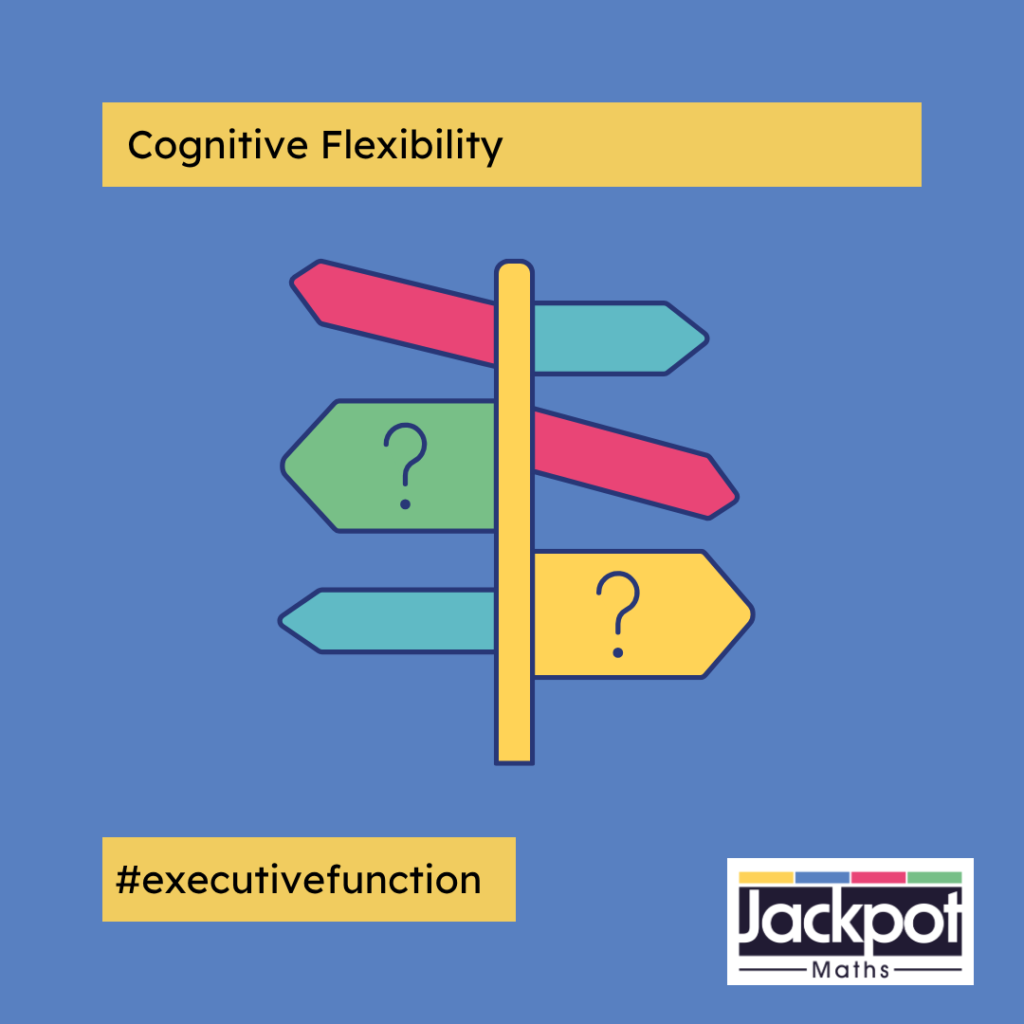
So, what does that mean in real life, and how does it impact our ability to cope in the real world?
Some people have excellent cognitive flexibility and are ‘big picture’ thinkers and are those who can really ‘think outside the box ‘. They thrive and shine in these situations in comparison to most. However, for others, especially those on the Autistic Spectrum, dealing with ever-changing circumstances causes difficulties and a great deal of stress.
I am one of the lucky ones; despite having many other EF issues, Cognitive Flexibility is one that I am not hampered by. Whilst I, like most people, would actually prefer some level of stability, I do have that Neurodiverse superpower of big, unusual and creative thinking. I have more recently found ways to harness this creativity and enjoy the problem-solving and analytical thinking that I can do.
Nevertheless, brains have a unique ability to change and learn new methods; we call this ‘neuroplasticity.’ Our EFs are not cast in stone and will not remain the same for life. With the right type of support and time, it is possible to strengthen EFs and reduce their impact on daily life.
In a tuition setting, we can help by scaffolding pupils and modelling flexible thinking and resilience to handle unknown situations. With this modelling and guidance, pupils can begin to experience a change in a safe and supportive way. Sharing these situations regularly can help the brain change slowly, albeit in very small steps.
Several organisations, such as https://connectionsinmind.com specialise in helping children and adults strengthen their Executive Functions.
For more details on this subject, see the longer blog Adapting to Change: The Role of Cognitive Flexibility in Our Neurodiverse World